Alphabet Number Coloring Pages: A Strategic Resource for Early Learning and Creative Development
When you are working with young learners, every resource you choose carries weight. The right activity can reinforce a lesson, build fine motor skills, and keep a child engaged long enough for the concept to sink in. Alphabet number coloring pages occupy a specific sweet spot in early education: they combine letter recognition, number familiarity, and creative expression into one straightforward format. For educators, homeschooling parents, and content creators looking to produce high-quality learning materials, understanding how to use this type of bundle intentionally can make a meaningful difference in outcomes.
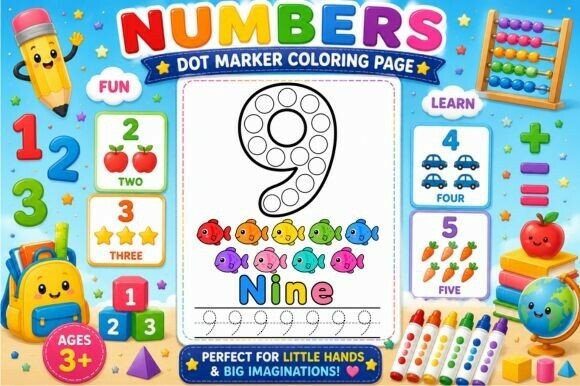
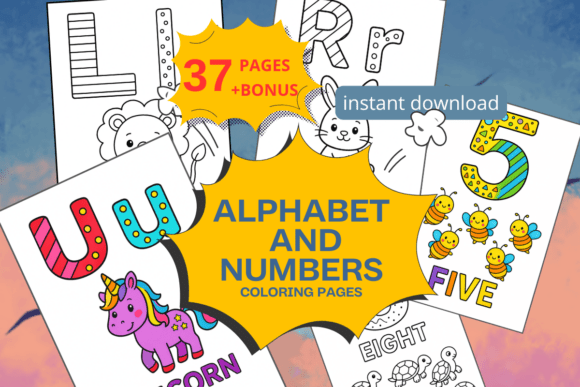
The comprehensive alphabet and numbers coloring bundle described here offers 38 high-quality pages covering letters A through Z, numbers 0 through 10, and an additional bonus page. Each page is designed with bold outlines that suit small hands, and the file arrives as a ready-to-print PDF. At first glance, it may look like a simple coloring set. But when positioned thoughtfully within a broader learning plan, it becomes a flexible tool that supports multiple goals at once.
Why Thoughtful Design Matters in Learning Materials
Bold outlines are not just a visual preference. For young children, thick lines reduce frustration by providing a clear boundary to color within. This builds confidence as they practice staying inside the lines, and it also helps develop the hand-eye coordination needed for writing later on. When you choose a set that has been manually formatted for printing, you reduce the risk of misaligned edges, blurry images, or awkward spacing that can distract from the learning experience.
From a strategic standpoint, the design of your learning materials directly influences how easily a child can focus on the content. If the page is cluttered or the lines are too thin, the child's attention shifts from recognizing the letter or number to simply managing the coloring task. A clean, bold layout keeps the cognitive load where it belongs: on the learning objective.
For creators and publishers working with KDP interiors or classroom printables, this attention to formatting detail also matters for quality control. A well-prepared PDF that prints cleanly across different devices and paper types reduces support requests and returns. It also builds trust with your audience, who will come to expect reliable, usable content from your brand.
Aligning the Bundle with Your Learning Goals
Before you hand a child a coloring page, it helps to clarify what you want the activity to achieve. Alphabet number coloring pages can serve several distinct purposes, and the way you present them should match your specific goal:
- Letter and number recognition. If your primary aim is to help a child identify each letter and number by sight, pair the coloring page with a verbal cue. Say the letter or number aloud before the child starts, and ask them to repeat it. This dual-channel approach reinforces recognition through both visual and auditory input.
- Fine motor development. When the goal is building hand strength and control, let the child focus on the coloring itself. Encourage them to fill the entire shape without rushing. The bold outlines give them a clear target, and you can gradually introduce smaller spaces as their skills improve.
- Creative expression. Sometimes the objective is simply to enjoy the process. In this case, allow free choice of colors and minimal direction. The learning still happens passively as the child spends time with each letter or number, absorbing its shape through repetition.
Clarifying which goal matters most for each session helps you avoid the common trap of trying to do everything at once. You can rotate between recognition days, motor skill days, and creative days, keeping the same set of pages fresh and purposeful across multiple uses.
Practical Applications Across Different Settings
The versatility of a 38-page bundle becomes apparent when you consider the range of environments where it can be used. In a classroom, these pages work well as a structured activity during a dedicated learning block. You can assign one letter per day and one number per week, building a routine that children come to anticipate. The bonus page can serve as a reward or a review exercise after completing the main set.
For homeschooling families, the bundle supports a more flexible schedule. You might introduce a new letter and number on Monday, then revisit them through coloring on Wednesday as a low-pressure reinforcement. Because the pages are print-on-demand, you can use them again with younger siblings or save digital copies for future children without wearing out the originals.
Freelancers and small business owners creating educational content can use this type of bundle as a lead magnet, a freebie within a larger curriculum, or a standalone product on platforms like Amazon KDP. The bold outlines and clean formatting make it suitable for both digital download and print-on-demand, which broadens your distribution options without additional design work.
One practical example: a parent working from home might print a few pages each morning for their preschooler to color while they handle a phone call. The child stays engaged with a productive activity, and the parent gains focused work time without resorting to passive screen use. This is a small operational win that adds up over weeks and months.
Planning Your Approach to the Bundle
Getting the most out of alphabet number coloring pages requires a bit of advance planning. Here are some considerations that can help you decide when and how to use the bundle effectively:
- Assess the child's current skill level. A child who already knows most letters may benefit more from focusing on the numbers or using the coloring pages as a speed recognition game. A beginner will need more repetition and verbal support.
- Schedule short sessions. Young children typically sustain focus for 10 to 15 minutes on a seated activity. Plan to offer one or two pages per session, and stop before fatigue sets in. This keeps the activity positive and builds anticipation for the next time.
- Combine with other modalities. Coloring works well as a complement to songs, tracing worksheets, or physical letter blocks. Using multiple senses to explore the same letter or number deepens retention more than any single activity can.
- Rotate the order. You do not have to go from A to Z in sequence. Mixing up the order can test recognition more thoroughly and prevent the child from simply memorizing the sequence without truly knowing each letter individually.
For creators who plan to sell or distribute this bundle, consider adding a simple usage guide or suggested schedule as a supplementary page. This increases perceived value and helps your customers achieve better results, which leads to positive reviews and repeat purchases.
Long-Term Value Across Multiple Use Cases
A well-structured alphabet number coloring set does not lose its usefulness after a single pass. Many educators and parents report using the same pages two or three times with different approaches. On the first round, the child may simply color inside the lines. On the second round, you can ask them to trace the letter or number with a pencil before coloring. On the third round, you might cut out the shapes and use them as flashcards or wall decorations.
For KDP publishers, this bundle can be repurposed as part of a larger series or combined with other activity books to create a complete early learning collection. The 38-page count hits a sweet spot for low-content publishing: it is substantial enough to feel like a complete product, yet compact enough to keep production and file sizes manageable.
From a branding perspective, offering a free or low-cost coloring bundle that actually prints well and engages children builds goodwill with your audience. Parents and teachers remember which resources worked and which did not. If you deliver a polished product that makes their job easier, they are far more likely to return for future offerings or recommend you to others.
Risks of Using the Bundle Without Clear Goals
Even a high-quality resource can underperform if it is used randomly or without context. One risk is that children treat the pages as busywork rather than learning tools. When a child colors a page while watching television or with minimal adult interaction, the letters and numbers become decorative rather than educational. The potential for recognition and motor development is largely lost.
Another risk is overuse. If you rely too heavily on coloring pages as your sole learning activity, children may become bored and associate letters and numbers with tedium rather than discovery. Variety remains essential. Use the coloring bundle as one ingredient in a broader curriculum, not the entire meal.
For creators, the risk of poor formatting cannot be overstated. Even a small alignment issue or a thin outline can make a product feel unprofessional. The note about AI assistance and manual formatting in this bundle is a reminder that automation alone does not guarantee quality. Manual review and testing before publication are critical steps that protect your reputation and your customers' experience.
Decision-Making Guidance for Different Audiences
If you are an educator evaluating this bundle for classroom use, focus on how it fits into your existing lesson plans. Look at the font style and the thickness of the lines. Consider whether the design matches the developmental stage of your students. A clear, simple, and uncluttered layout is essential for early learners who are still building visual discrimination skills.
If you are a homeschooling parent, think about your child's temperament. Some children prefer to color one page completely before moving on, while others like to sample multiple pages in a session. The bundle allows for both styles. Print a few pages in advance and let your child choose which letter or number to work on. This small choice gives them a sense of ownership over the activity.
If you are a publisher or content creator, evaluate the bundle for its market fit. The 38-page count is appropriate for a low-cost or free offering that can drive traffic to your other products. Make sure the PDF compression is optimized so file sizes remain reasonable for download. Test the print quality on multiple devices and paper types before listing it for sale.
If you are a freelancer building educational materials for clients, this bundle can serve as a template or reference for your own custom work. Study the layout decisions, the spacing of the outlines, and the balance between white space and content. These design principles can inform your future projects and help you deliver consistent quality across different subjects.
Making the Intention Behind the Pages Count
What sets alphabet number coloring pages apart from generic coloring books is the deliberate combination of early learning objectives with creative activity. The bundle described here makes that combination accessible through clean formatting, comprehensive coverage of letters and numbers, and a bonus page that adds a small element of surprise. But the resource itself is only half of the equation. The other half is how you choose to use it.
When you introduce each page with a clear purpose, when you adapt the activity to the child's current needs, and when you rotate the bundle with other learning methods, you transform a simple printable into a genuinely effective teaching tool. That transformation is what leads to the outcomes that matter: better recognition, stronger motor skills, and a positive association with early learning that carries forward into later education.
For adults who create, sell, or distribute resources like this, the same principle applies. A product that is thoughtfully designed and used with intention will earn trust, generate positive results, and build a foundation for long-term relationships with your audience. That is the strategic value of a good coloring bundle done right.